The Power of Positive Thinking: How a Shift in Mindset Transforms Your Health and Your Life
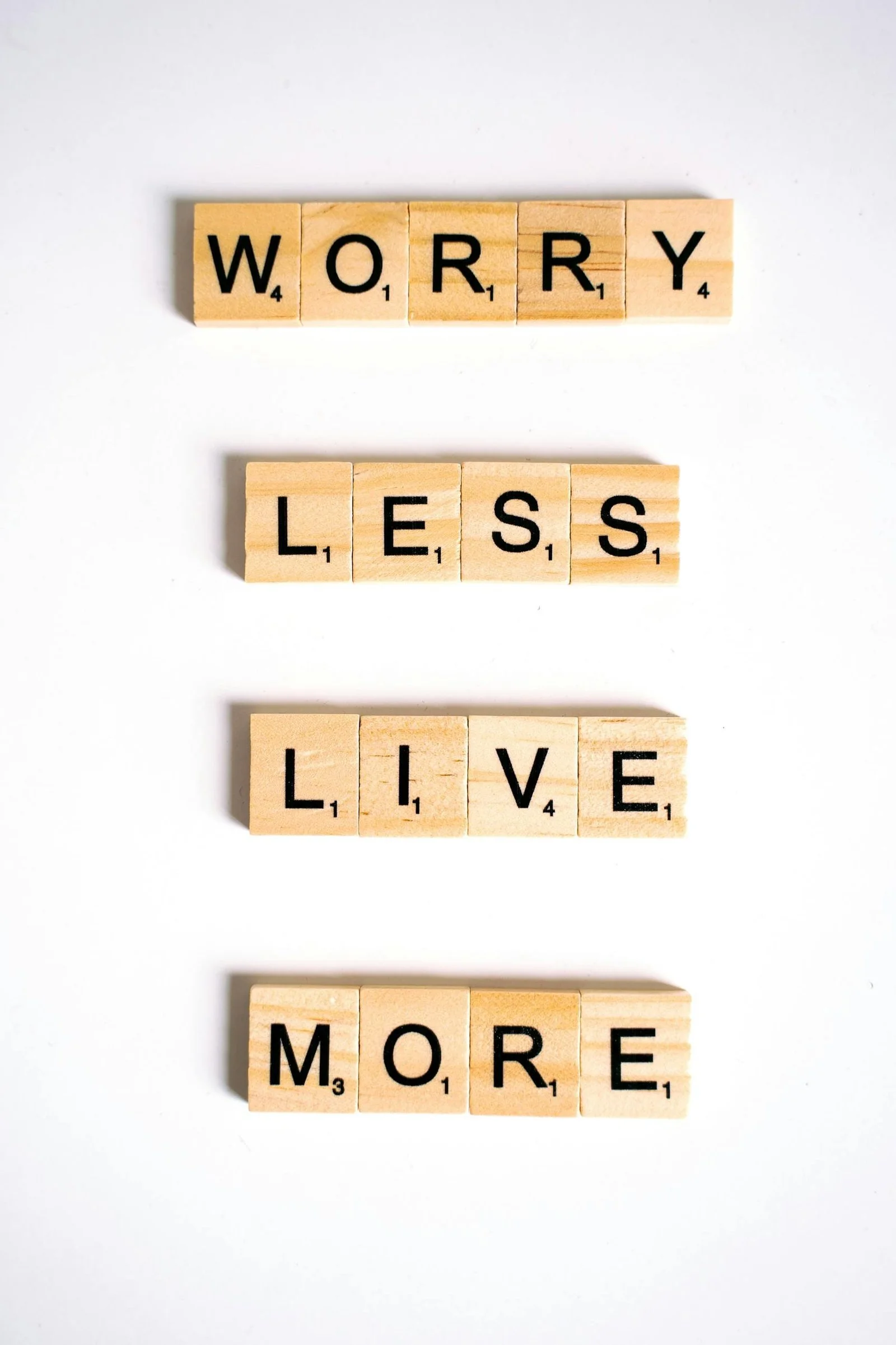
Some posts on these blogs contain affiliate links. If you make a purchase through one of the links, I may earn a small commission which is at no additional cost to you. I only recommend products I trust, use or believe bring genuine value.
The Power of Positive Thinking: How a Gentle Shift in Mindset Can Transform Your Health and Your Life
In a world filled with stress, uncertainty, and constant noise, it can feel difficult to find steady ground. We are surrounded by information, opinions, and expectations, all competing for our attention. Many of us wake up already bracing ourselves for the day ahead, carrying quiet worry in our bodies before our feet even touch the floor.
And yet, amid all of this, one gentle shift can make a meaningful difference.
Choosing to think positively does not mean pretending everything is perfect. It does not mean bypassing pain, suppressing emotion, or forcing yourself to “look on the bright side” when your heart feels heavy. True positive thinking is much more grounded, compassionate, and realistic than that.
Positive thinking is about choosing a mindset that supports you rather than drains you. It is about focusing on possibilities instead of obstacles, strength instead of limitation, and hope instead of fear, even when life feels difficult.
What is especially powerful is that science continues to confirm what many people sense intuitively: the way you think does not just affect your mood. It affects your body, your nervous system, your immune response, your heart, and even how long you live.
In this guide, we will explore what positive thinking truly is, why it works on both a psychological and physiological level, and how you can begin cultivating a more optimistic mindset in a way that feels gentle, authentic, and sustainable.
What Positive Thinking Really Means
Positive thinking is often misunderstood. Many people assume it means ignoring challenges or pretending that pain does not exist. In reality, healthy positive thinking does the opposite. It acknowledges difficulty while refusing to let difficulty define the entire story.
Positive thinking sounds like this:
“This is hard, and I can take it one step at a time.”
“I do not have control over everything, but I do have control over how I respond.”
“I am allowed to feel disappointed and still believe things can improve.”
“This experience does not determine my worth.”
Positive thinking is not denial. It is discernment.
It is the ability to hold two truths at once: This is painful, and I am capable of navigating it.
Instead of suppressing negative emotions, positive thinking creates space for them while also making room for resilience, learning, and hope. It shifts your inner dialogue from harsh judgment to supportive guidance.
Rather than asking, “What is wrong with me?” positive thinking asks, “What do I need right now?”
That subtle change in perspective is where transformation begins.
The Mind–Body Connection: Why Your Thoughts Matter
Your thoughts are not just abstract ideas floating through your mind. They have a direct impact on your nervous system and your physical body.
I created a 30-day mindfulness printable workbook with the intention to help others reconnect with their inner calm and soften their stress, one mindful day at a time. This 30-Day Mindfulness Workbook is a beautifully guided printable created to help you slow down, breathe deeper, and approach life with more intention and compassion. You can read more about it here: 30 Days of Mindful Living | Gentle Daily Practices to Reconnect With Yourself | Printable Wellness Guide.
When your thoughts are dominated by fear, self-criticism, or worst-case scenarios, your brain interprets that as threat. In response, your body releases stress hormones like cortisol and adrenaline. Your heart rate increases, muscles tense, digestion slows, and your immune system becomes less effective.
This response is helpful in short bursts, but when it becomes chronic, it places strain on nearly every system in the body.
Positive thinking helps interrupt this cycle.
When your thoughts are more hopeful, compassionate, and solution-oriented, your nervous system shifts out of constant survival mode. Your body receives signals of safety. Breath deepens. Muscles relax. Inflammation decreases. The body is finally given the conditions it needs to repair and restore.
This is why mindset work is not just emotional. It is physiological.
How Positive Thinking Supports Your Health
The benefits of positive thinking extend far beyond feeling happier. Research has shown that optimism and a supportive mindset influence the body in measurable and meaningful ways.
Reduces Chronic Stress
Positive thinkers tend to cope with stress more effectively. Rather than becoming overwhelmed or shutting down, they are more likely to:
Problem-solve instead of panic
Seek support instead of isolating
Reframe challenges rather than catastrophize
As a result, their bodies experience less prolonged stress activation. Over time, this reduces wear and tear on the nervous system and organs.
Strengthens the Immune System
Studies have shown that people with a hopeful, optimistic outlook often have stronger immune responses, particularly during times of stress. Positive thinking does not prevent illness, but it helps the body respond more efficiently and recover more quickly.
When stress is reduced, the immune system is better able to focus on its job: protecting and repairing the body.
Supports Heart Health
The connection between mindset and heart health is especially well-documented. Optimism has been associated with:
Lower blood pressure
Reduced inflammation
Healthier cholesterol levels
Lower risk of heart disease and heart failure
A calmer nervous system places less strain on the cardiovascular system, allowing the heart to function more efficiently.
Improves Longevity
One of the most compelling findings in positive psychology research is the link between optimism and lifespan. People who maintain a positive outlook tend to live longer, healthier lives.
This is not because they never face hardship. It is because they are more likely to engage in healthy behaviors, recover from setbacks, and maintain emotional resilience over time.
Why Positive Thinking Actually Works
Positive thinking works because it changes how your brain processes experiences.
When you consistently focus on threat, your brain strengthens neural pathways associated with fear and avoidance. When you focus on possibility, growth, and support, you strengthen pathways associated with problem-solving, creativity, and emotional regulation.
This is neuroplasticity in action.
Your brain is constantly reshaping itself based on where your attention goes. Positive thinking does not erase difficulty, but it trains your brain to respond differently to it.
Positive emotions also encourage healthier behaviors. When you feel hopeful and supported internally, you are more likely to:
Move your body
Eat nourishing foods
Prioritize rest
Set boundaries
Follow through on self-care
These behaviors then reinforce physical health, which in turn supports emotional well-being. This creates a positive feedback loop that builds resilience over time.
The Difference Between Positive Thinking and Toxic Positivity
It is important to make a clear distinction here.
Positive thinking is not toxic positivity.
Toxic positivity dismisses pain. It tells people to “just be grateful” or “stay positive” without acknowledging their reality. It can feel invalidating and isolating.
Healthy positive thinking says:
“This hurts, and your feelings make sense.”
“You are allowed to struggle and still believe in something better.”
“You do not need to rush your healing.”
True positivity is compassionate. It meets you where you are and gently supports you forward.
How to Build a More Positive Mindset (Without Forcing It)
You do not need to be naturally cheerful to cultivate positivity. This is not a personality trait. It is a skill that strengthens with practice.
Here are gentle, realistic ways to begin.
Practice Gratitude in Small Moments
Gratitude does not need to be grand. Start by noticing one small thing each day that brings comfort, ease, or beauty.
This might be:
A warm cup of tea
A quiet moment in the morning
A kind message from a friend
Sunlight through a window
This practice retrains your brain to look for what is supporting you rather than only what is wrong.
Gently Question Negative Thoughts
When your mind jumps to worst-case scenarios, pause and ask:
Is this thought true?
Is it helpful?
Is there another way to see this situation?
You are not arguing with your mind. You are offering it balance.
Choose Supportive Language
The way you speak to yourself matters. Try shifting from harsh statements to kinder ones.
Instead of:
“I always mess things up.”
Try:
“I am learning as I go.”
This small change reduces emotional stress and builds self-trust.
Be Mindful of Your Environment
Your surroundings influence your mindset more than you realize. Spending time with supportive people, limiting negative media, and creating calming routines all support positivity naturally.
Celebrate Small Wins
Your brain learns through reinforcement. When you acknowledge progress, even small steps, you teach your mind to associate effort with success.
Celebrate consistency, not perfection.
Stay Present Through Mindfulness
Mindfulness helps quiet the mind’s habit of replaying the past or worrying about the future. When you are present, positivity arises more naturally because you are no longer overwhelmed by imagined outcomes.
Positive Thinking During Difficult Seasons
Positive thinking is not about being upbeat during tragedy or loss. During difficult seasons, positivity often looks quieter.
It looks like:
Allowing yourself to rest
Asking for help
Trusting that this moment is not the end of the story
Choosing self-compassion over self-judgment
Sometimes positivity is simply believing that you do not have to have everything figured out right now.
Final Thoughts: A Gentle Shift That Changes Everything
Positive thinking is not a cure for every difficulty, and it will not prevent hardship. What it offers is something far more valuable: a steadier way to move through life.
It supports your emotional resilience.
It strengthens your physical health.
It helps you respond to challenges with clarity instead of fear.
The most beautiful part is that positivity is not something you need to earn or perfect. It is free. It is always available. And it begins with a single, gentle choice.
Start small.
Be patient with yourself.
Notice what is good without denying what is hard.
Your mindset matters more than you have been taught to believe.
And over time, this quiet shift will ripple into every part of your life, supporting your health, your peace, and your sense of possibility in ways you may not even see coming yet.
If this resonated with you, I invite you to stay connected.
Join my email list for gentle mindset tools, mindfulness practices, journaling prompts, and grounded reflections to support emotional well-being, resilience, and inner calm.