How to Calm Your Nervous System When You Feel Overwhelmed: The Mind-Body Stress Connection Explained

Some posts on these blogs contain affiliate links. If you make a purchase through one of the links, I may earn a small commission which is at no additional cost to you. I only recommend products I trust, use or believe bring genuine value.
The Mind Body Stress Connection: Why You Feel Stuck on High Alert
Have you ever noticed that even when your mind finally slows down at night, your shoulders are still tense, your jaw is clenched, and your body feels wired? This is the mind body stress connection in action.
Your thoughts may be telling you that everything is okay, but your nervous system has not received that message yet.
Stress is not just something that happens in your head. When you feel overwhelmed, your brain sends signals through your nervous system that prepare your body to fight, flee, or freeze. Your heart rate increases, your breathing becomes shallow, and your muscles stay tense because your body believes it needs to stay ready for danger.
When this response happens occasionally, it is completely normal. But when stress becomes a daily pattern, your body can begin to believe that high alert is your natural state. Over time, this can leave you feeling exhausted, tense, and disconnected from yourself, even during moments when you are trying to rest.
Mindfulness practices can gently interrupt this cycle. They do not remove stress from your life, but they can change how your mind and body respond to it, helping your nervous system remember how to settle again.
Why Your Body Still Feels Stressed Even When Your Mind Is Tired
Many people feel confused when they are mentally exhausted but physically tense at the same time. You may notice tight shoulders, neck pain, jaw clenching, or a persistent ache in your back after stressful days.
This happens because the body stores unprocessed stress in very real, physical ways. Often, several things are happening at once.
You may replay stressful conversations or worries in your mind, which keeps your brain in alert mode, even at night when you are trying to sleep.
You may hold your breath or breathe only into your chest, which signals to your nervous system that something is wrong.
You may push through the day without taking breaks, so your body never has the opportunity to shift into rest and repair.
Over time, your nervous system can remain activated even when you are sitting on the couch or lying in bed. This is why you can feel deeply tired and restless at the same time. The good news is that your body can learn a different pattern. With gentle, consistent mindfulness practices, it is possible to teach your nervous system how to relax again.
Gentle Support for Calming the Nervous System
Because stress affects both the mind and the body, healing often happens best when we work with both.
I created two mindful, heart-centered printable journals designed to support anyone longing for greater calm, clarity, and connection in daily life. These resources are meant to feel supportive, not overwhelming, and to fit gently into real, busy lives.
The Five-Minute Morning Reset Journal
The Five-Minute Morning Reset Journal is a 65-day guided morning journaling practice created for busy people or beginners who want something grounding that feels doable.
Each prompt takes just five minutes and helps you slow down, breathe, and reconnect with yourself before the day begins. This journal offers a gentle way to create consistency without pressure, making it easier to support your nervous system through small, daily moments of reflection.
This printable journal is available on my website and is designed to help you start your day feeling steadier and more centered.
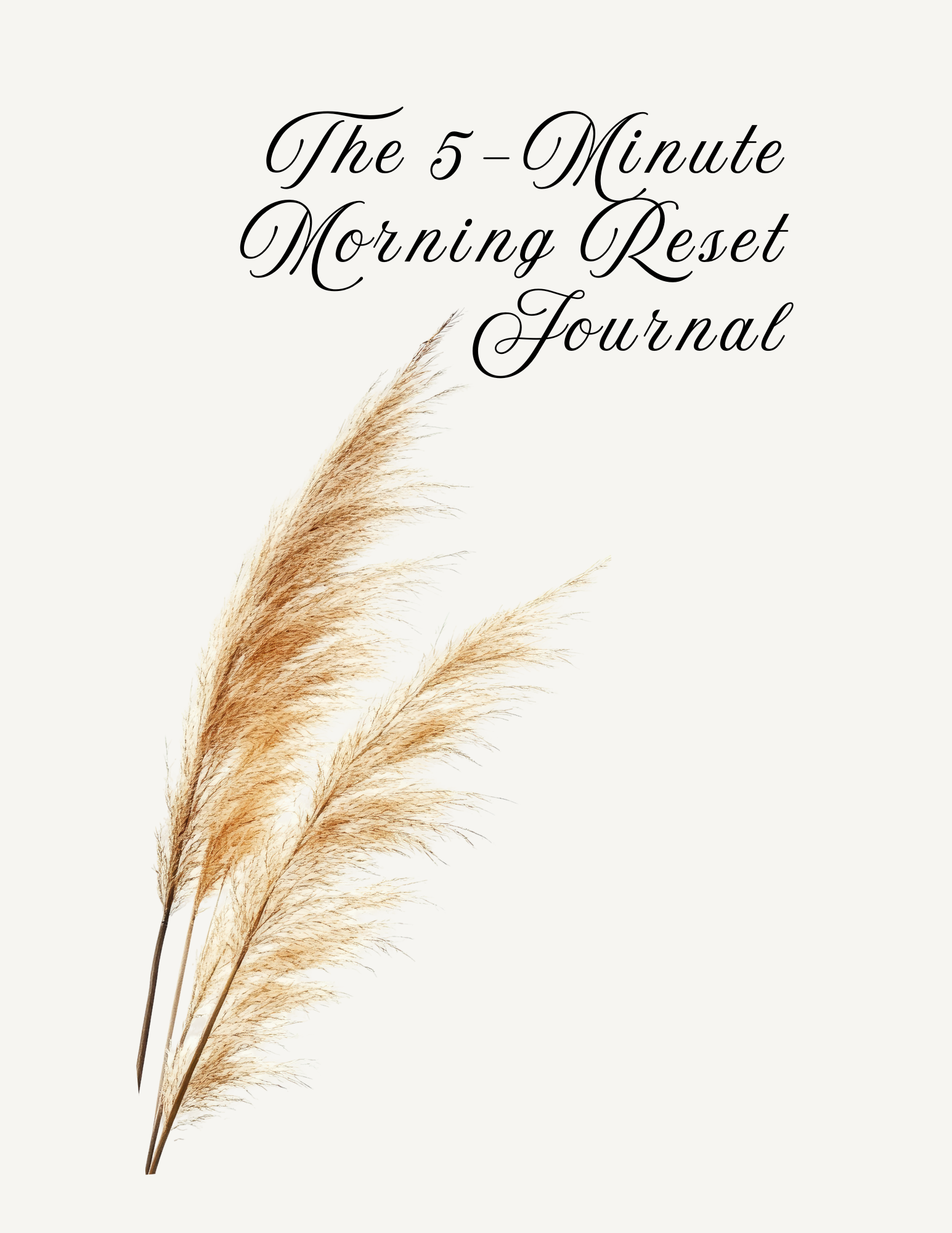
The 5 Minute Morning Reset Printable Journal is available on my website, or click the link below.
30 Days of Mindful Living: Gentle Daily Practices to Reconnect With Yourself
The 30 Days of Mindful Living workbook is a supportive starting point for anyone ready to deepen their mindfulness journey.
Each day includes a simple mindfulness teaching, a gentle practice, thoughtful journaling reflections, and a grounding affirmation. This guide was created to help you slow down, reconnect with yourself, and nurture a more intentional and peaceful way of living.
It is especially helpful for anyone seeking emotional balance, personal growth, or a calmer daily rhythm. This printable workbook is also available on my website and is designed to feel nurturing rather than demanding.
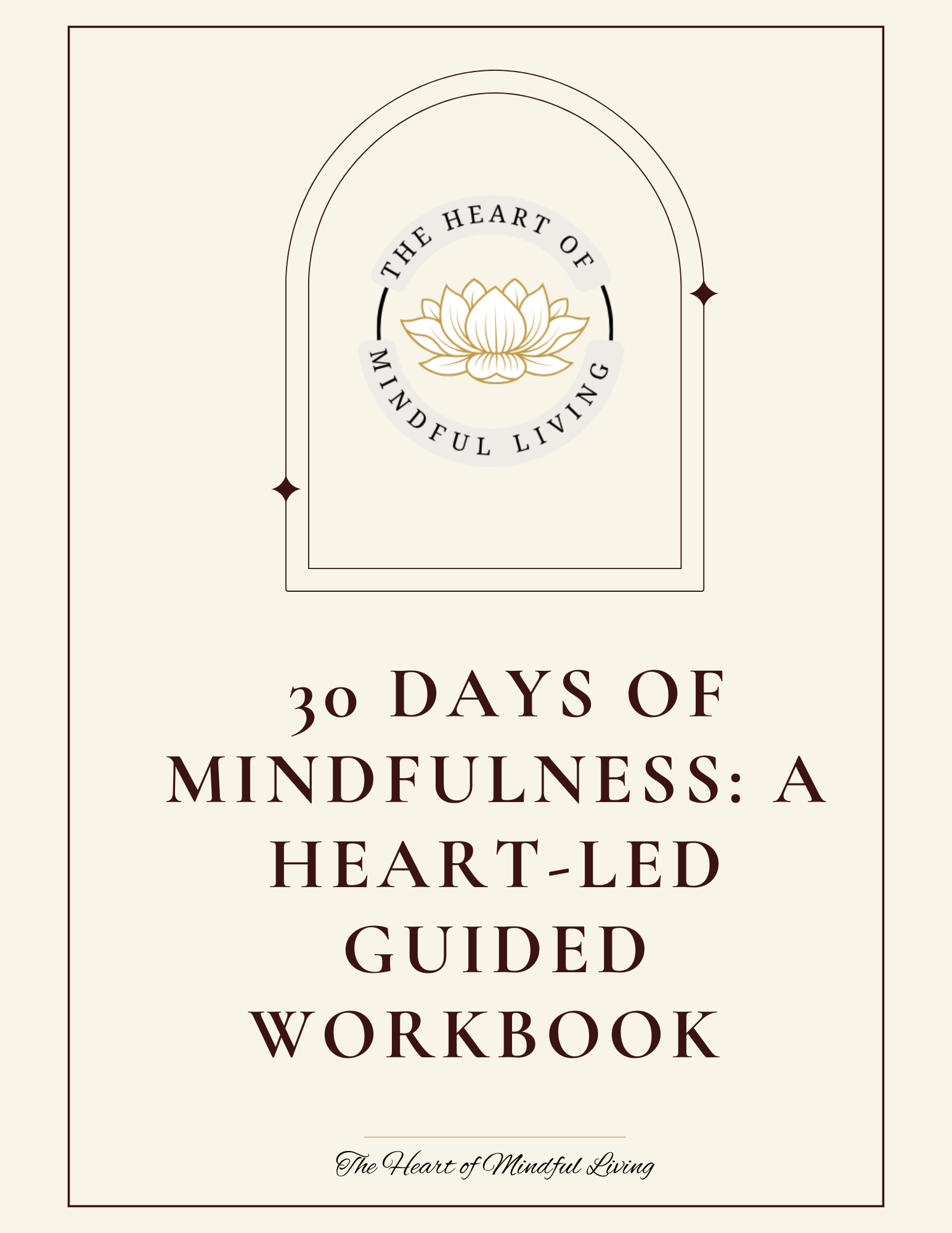
The 30 Days of Mindfulness: A Heart-Led Guided Printable Workbook is available on the website, or by clicking the link below.
Calming Your Mind When Stress and Overwhelm Take Over
When stress feels intense, it can be hard to know where to begin. Telling yourself to relax often does not help. Instead, small, clear steps that gently bring your attention into the present moment can be far more effective for calming the nervous system.
Anchor Into Your Breath
One of the simplest ways to calm stress in the body is through intentional breathing.
Place one hand on your chest and one hand on your belly. Gently inhale through your nose for a count of four, feeling your belly rise. Then exhale slowly through your mouth for a count of six.
As you breathe, notice the sensation of the air moving in and out of your body. If your thoughts wander, that is okay. Simply return your attention to the count and the natural rise and fall of your breath.
Slow, intentional breathing helps activate the part of your nervous system responsible for rest and relaxation. Practicing this for even three to five minutes can begin to shift your body out of stress mode.
Name What You Are Feeling
Stress often grows louder when we try to ignore it. A gentle mindfulness practice is to quietly name what is true for you in the moment.
You might notice and name experiences such as:
Feeling anxious or overwhelmed
Tightness in your chest or shoulders
Racing thoughts or mental fatigue
Putting words to your experience helps your brain recognize that you are paying attention. This simple act can reduce the intensity of the stress response and help you feel more grounded in your body.
Use Compassionate Self-Talk
Many people speak harshly to themselves when they are stressed. You might notice thoughts like “I should be handling this better” or “Why can’t I just calm down?”
Instead, try replacing that inner criticism with a kinder, more compassionate voice. Imagine how you would speak to a close friend who is struggling.
You might gently remind yourself:
This is a lot to carry right now
It makes sense that I feel this way
I am doing the best I can
Compassionate self-talk is a powerful part of emotional healing and nervous system regulation.
Mindfulness Practices for a Calmer Mind and Body
To support lasting change, it helps to weave small mindfulness practices into your daily routine rather than trying to do everything at once.
A morning check-in can be as simple as sitting at the edge of your bed and asking yourself how your body feels today. Notice a few sensations without judgment, then take a few slow breaths and set a gentle intention for the day.
Movement that soothes rather than punishes can also help release stored stress. A short walk, gentle stretching, or slow yoga can support the mind body connection when done with care and attention.
Mini mindful pauses throughout the day can make a meaningful difference. When you make tea, start your car, or sit down at your desk, try this simple practice:
Take one full breath
Relax your shoulders
Notice one thing you can see
Notice one thing you can hear
Notice one thing you can feel
These small pauses train your nervous system to return to the present moment again and again.
In the evening, writing down a few moments from the day when you felt even slightly supported can help your body recognize safety. Over time, this practice gently shifts your focus away from constant stress and toward moments of ease.
Giving Yourself Permission to Heal
The mind body stress connection is strong, but so is your capacity to heal.
You are not weak for feeling overwhelmed. You are human. Chronic stress is not a personal failure, it is a nervous system response.
Each time you choose a supportive practice, you are sending your body a new message. Small moments of mindfulness can help remind your system that it is safe to soften.
These moments might include:
Taking a slow, intentional breath
Offering yourself a kind or reassuring thought
Pausing to notice your body instead of pushing through
Choosing rest when your body asks for it
Over time, these small choices add up. With patience, intention, and gentle curiosity, mindfulness can help you create a calmer nervous system, a clearer mind, and a body that remembers what it feels like to relax.
If you’d like gentle support for calming your nervous system, you’re welcome to join my email list for monthly tips on mindfulness, journaling prompts, affirmations, and grounding practices.