How Do You Create Space for Yourself When Life Feels Fast and Demanding?
Some posts on these blogs contain affiliate links. If you make a purchase through one of the links, I may earn a small commission which is at no additional cost to you. I only recommend products I trust, use or believe bring genuine value.
In today’s fast-paced world, it often feels like there’s little room for anything beyond the constant demands of work, family, and daily responsibilities. With endless to-do lists, notifications, and expectations pulling us in every direction, it’s easy to lose touch with one essential part of life: yourself.
When life feels busy or overwhelming, creating space for self-care and self-healing becomes more important than ever. These moments allow us to slow down, reconnect with our inner sense of calm, and support our mental, emotional, and physical well-being. Self-healing isn’t about escaping real life, it’s about restoring balance so you can move through life with more clarity, energy, and resilience.
Self-healing is not a luxury; it’s a necessity. Taking time for yourself helps reduce stress, prevent burnout, and support overall health. Whether through mindfulness, meditation, gentle movement, or simply taking a quiet moment to read or rest, these simple practices can have a meaningful impact on your quality of life. Let’s explore a few accessible self-healing practices that can help you feel more grounded, calm your nervous system, and reconnect with yourself, even in the middle of a busy day.
I created this printable journal that offers 30 days of guided mindfulness, with one page to complete each day. Designed as a simple, approachable workbook, it helps you build a consistent mindfulness practice while creating space for reflection and self-awareness.
Each daily page includes gentle prompts and guidance to help you slow down, become more present, and begin integrating mindfulness into everyday life. Whether you’re new to mindfulness or looking to deepen an existing practice, this 30-day mindfulness journal provides a supportive way to start, at your own pace and in your own space.
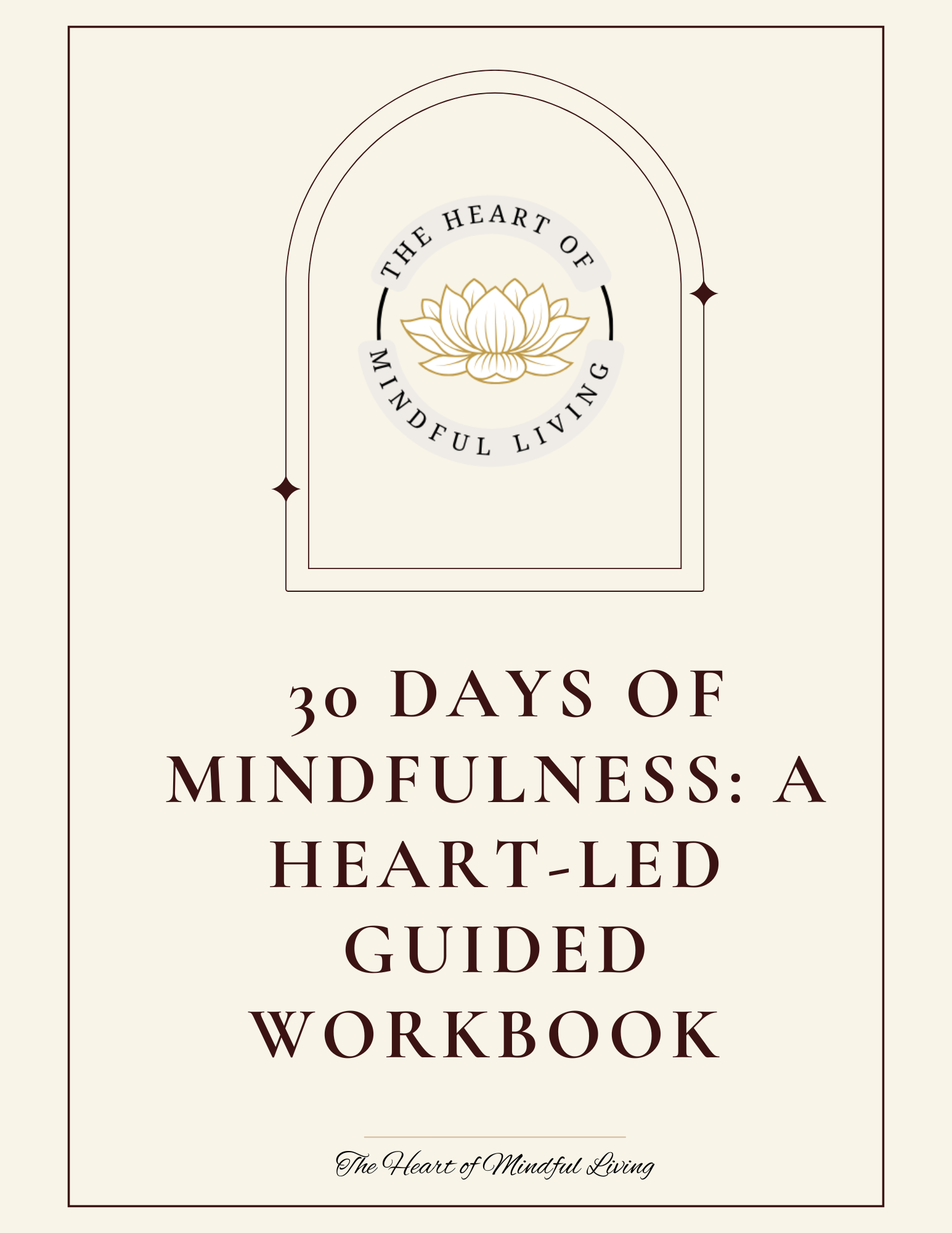
You can purchase your printable 30 Day Workbook right here on my website by clicking the link below.
The Importance of Taking Time for Yourself
Before diving into the various self-healing practices, it’s important to recognize why taking time for yourself is so essential. In a world that encourages constant hustle, many people overlook the importance of self-care, often feeling guilty for taking time out of their busy lives to simply rest or recharge. But here’s the thing: when you neglect your own well-being, you’re more likely to experience burnout, fatigue, and stress, which in turn affects every aspect of your life.
Taking time for yourself doesn’t mean you’re being selfish, it means you’re prioritizing your health and happiness, which ultimately benefits everyone around you. Whether you’re a parent, a professional, or simply someone trying to juggle the many demands of life, giving yourself permission to slow down and engage in self-healing activities is one of the most loving things you can do for yourself.
I’ve also created a Five-Minute Reset Journal, designed for people who are busy or curious about journaling but aren’t sure where to begin. This printable journal offers 65 days of simple, guided prompts, one prompt per day, each designed to take just a few minutes to complete.
The goal is to make journaling feel easy and doable, not overwhelming. By spending just five minutes a day with a thoughtful prompt, you can begin building a consistent journaling habit and reconnecting with yourself in a gentle, supportive way. This printable journal is a simple introduction to journaling that fits easily into real life.
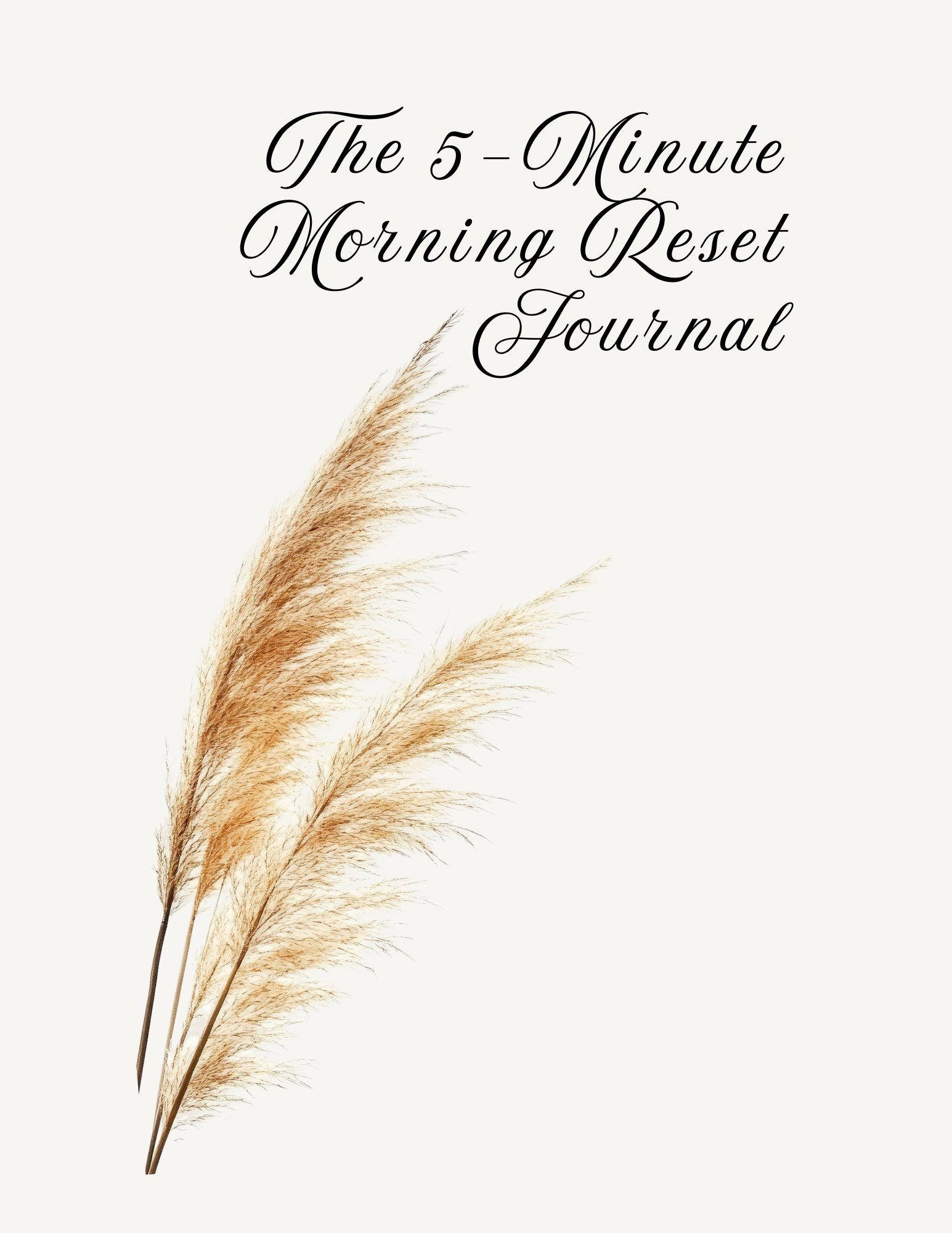
You can purchase your printable 5-Minute Reset Journal on my website by following the link below.
Meditation: Finding Stillness in the Chaos
One of the most effective ways to reconnect with yourself is through the practice of meditation. In a world filled with distractions, meditation offers a sanctuary of peace. Even just a few minutes of meditation each day can help calm your mind, reduce stress, and bring clarity to your thoughts.
Meditation doesn’t have to be complicated or time-consuming. You don’t need to sit cross-legged on a mountaintop or spend hours in silence (unless you want to!). Start with just five minutes of focused breathing. Find a quiet spot, sit comfortably, and close your eyes. Take deep, slow breaths, allowing your body to relax with each exhale. As you breathe, notice any thoughts or worries that arise and gently let them go, returning your focus to your breath.
Over time, this practice will help you develop a sense of inner calm, even in the midst of life’s chaos. Meditation is a tool that not only soothes your mind but also helps you tune into your body, allowing you to become more present and mindful in everyday life.
Mindfulness: Being Present in Every Moment
Mindfulness is another powerful tool for self-healing that goes hand in hand with meditation. At its core, mindfulness is about paying full attention to the present moment, without judgment. It’s about fully experiencing each moment, whether you’re drinking a cup of tea, walking outside, or having a conversation with a friend.
When we’re caught up in the rush of daily life, it’s easy to overlook the small, beautiful moments happening around us. Practicing mindfulness helps us reconnect with the world and ourselves, fostering a sense of appreciation for life’s simple pleasures. It also helps us manage stress by allowing us to respond thoughtfully, rather than react impulsively, to situations.
To practice mindfulness, start by choosing one activity during the day to do with full awareness. It could be something as simple as eating a meal, taking a shower, or doing the dishes. As you engage in the activity, focus on the sensations in your body, the sounds around you, and the details in your environment. When your mind wanders, gently bring your attention back to the present moment. Over time, you’ll develop a deeper sense of peace and connection to yourself and the world around you.
Exercise: Moving Your Body to Heal Your Mind
When life gets busy, exercise is often one of the first things to be pushed aside. Yet, moving your body is one of the most powerful ways to boost your mood, increase energy, and promote overall well-being. Physical activity releases endorphins, the body’s natural “feel-good” hormones, which can help reduce stress and anxiety, improve sleep, and increase feelings of happiness.
You don’t need to engage in intense workouts to reap the benefits of exercise, anything that gets you moving counts. Whether it’s going for a walk in nature, doing some yoga at home, dancing to your favorite music, or taking a gentle stretch break during the day, exercise can be a simple and enjoyable way to release tension and foster a sense of calm.
Exercise also gives you the opportunity to reconnect with your body. It’s a reminder that your body deserves attention, love, and care. When you move your body mindfully, focusing on how it feels rather than on the outcome or how you look, you create a healing connection between your mind and body. Regular physical activity also helps you sleep better, which in turn has a positive impact on your mental and emotional health.
Music: Healing Through Sound
Music has a unique ability to lift our spirits, heal our emotions, and transport us to a different time and place. Whether it’s listening to your favorite playlist, attending a concert, or simply humming a tune, music can be a form of self-healing that soothes the soul and calms the mind.
Research has shown that listening to music can reduce stress, lower blood pressure, and increase feelings of happiness and relaxation. It can also serve as a form of emotional expression, helping us process difficult feelings and experiences. When you feel overwhelmed or in need of comfort, take a moment to put on a song that resonates with you. Allow yourself to immerse in the music and let it bring you peace.
You can also try using music as a mindfulness tool. When listening to music, focus on the sounds, the rhythm, and the way the music makes you feel. Let go of any distractions and allow yourself to be fully present with the music. This simple practice can be incredibly calming and restorative.
Indulging in Good Movies and Books
Sometimes, the best form of self-care is simply allowing yourself to escape for a while. Watching a good movie or reading an inspiring book can provide much-needed relaxation and mental rejuvenation. Whether you prefer a heartwarming drama, a gripping mystery, or a lighthearted comedy, these moments of entertainment can be a way to unwind and disconnect from the pressures of everyday life.
Movies and books can also offer valuable life lessons and emotional healing. They give us a chance to explore different perspectives, reflect on our own experiences, and connect with characters who may mirror our own struggles or triumphs. So, give yourself permission to enjoy these moments of escapism—it’s a beautiful way to nourish your mind and spirit.
Self-Care Rituals: Nurturing Your Body and Soul
Self-care is all about taking the time to nurture yourself, both physically and emotionally. It’s about creating rituals that help you feel cared for and supported. This can look different for everyone, but some common self-care practices include taking a warm bath, using essential oils, enjoying a cup of tea, or treating yourself to a relaxing facial or massage.
Self-care also involves setting boundaries and recognizing when you need rest or solitude. It’s about listening to your body and your heart and giving yourself permission to step away from the demands of the world. Remember, self-care isn’t selfish—it’s essential for your well-being.
Conclusion: The Power of Taking Time for Yourself
In a world that constantly demands more of us, taking time for yourself isn’t just a luxury; it’s a vital part of maintaining balance and well-being. Whether through meditation, mindfulness, exercise, music, or other forms of self-healing, the act of prioritizing your own needs allows you to recharge, refresh, and cultivate inner peace. By taking care of yourself, you’ll find that you have more energy, patience, and love to give to others.
So, the next time life feels overwhelming, or you catch yourself feeling burnt out, remember to pause, breathe, and reconnect with yourself. Embrace the healing power of simple, nurturing practices and give yourself the gift of time—because you deserve it.