Can Meditation Support Healing? A Mindful Approach to Recovery

Some posts on these blogs contain affiliate links. If you make a purchase through one of the links, I may earn a small commission which is at no additional cost to you. I only recommend products I trust, use or believe bring genuine value.
Healing Is Not Only Physical: How Meditation Supports Recovery of the Body, Mind, and Heart
Healing is never only physical. When you are recovering from illness, injury, or surgery, your body works tirelessly to repair itself, but your heart and mind are moving through their own quiet and often unseen journey. Recovery can stir fear, frustration, grief, loneliness, and moments where you feel disconnected from the person you used to be. These emotional layers are not side effects of healing, they are part of it.
This is where meditation can become a powerful and gentle companion. Meditation will never replace medical care, nor should it. But it can help you feel steadier inside your body, safer within your thoughts, and more connected to your inner strength during a time that may feel uncertain or overwhelming.
For centuries, people have turned to meditation as a way to bring the mind and body back into harmony. Today, modern research supports what ancient wisdom already knew: when the mind softens, the body often follows. Calm becomes supportive medicine. Presence becomes a place where healing can land.
This softer approach to meditation is especially important during recovery. You do not need discipline, force, or perfection. You do not need long sessions or complicated techniques. You only need a quiet moment, a gentle breath, and the willingness to meet yourself with compassion exactly as you are.
What Meditation Really Means During Recovery
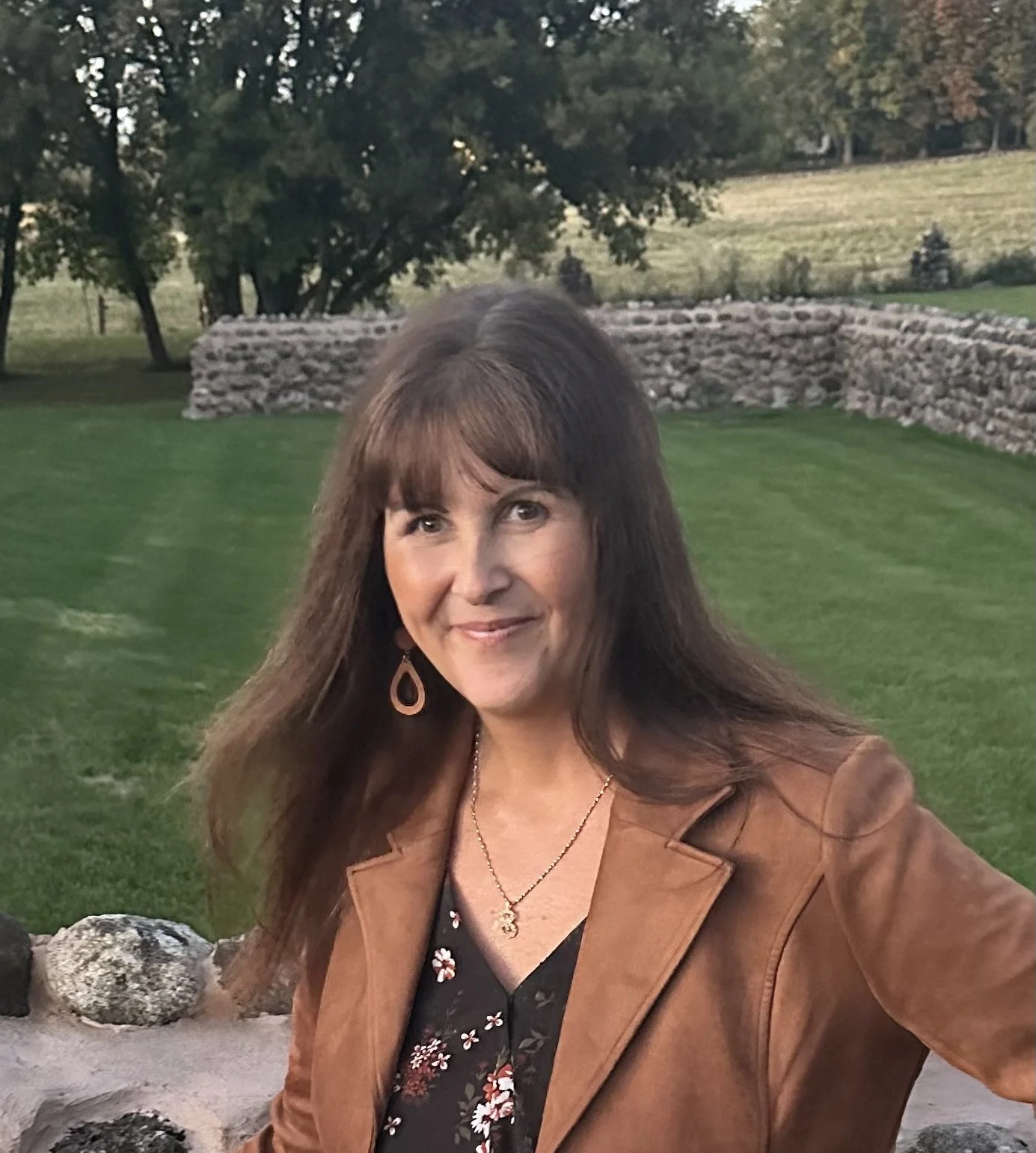
Recovery often comes with an invisible emotional weight that few people talk about. Several years ago, when I was healing from a spinal fusion, I learned firsthand that healing affects far more than the physical body.
The physical recovery alone was challenging. I had strict limitations, a long list of things I could not do, and months of reduced mobility. I was largely confined to my home, dependent on others, and navigating a routine I did not choose.
I remember sitting in the quiet of my living room, feeling frustrated, discouraged, and deeply disconnected from my body. I felt trapped inside a version of myself that no longer moved freely. Losing independence, even temporarily, can shake your sense of identity. It is unsettling in ways that are hard to explain unless you have lived it.
Many days felt emotionally heavy. I grieved the life I had paused. The sadness sometimes felt just as intense as the physical pain.
What carried me through that season were not only medications and medical appointments, but the practices that helped me soften back into myself.
I prayed often.
I took slow, mindful walks when my body allowed, one careful step at a time.
I leaned deeply into meditation, sometimes for short periods, sometimes for longer stretches when my mind needed a quiet place to rest.
I listened to positive affirmations that reminded me healing was happening even when I could not see it.
I wrote in my journal on days when my heart felt too tight to speak.
Those practices became my anchors. They steadied my nervous system. They softened my emotions. They helped me feel grounded when everything else felt uncertain.
Looking back now, I can see clearly that those calm, centering rituals were not just coping tools. They were a lifeline. They supported my healing from the inside out.
How Meditation Supports Healing on a Deeper Level
When you are unwell or recovering from injury, your nervous system often stays on high alert. Pain, fear, and uncertainty keep the body tense and guarded. Meditation gently invites the opposite response.
It tells your nervous system:
You can soften now. You are safe in this moment.
This shift into calm is not only emotional. It supports the body in tangible, physiological ways:
Stress hormones begin to lower
Breathing naturally deepens
Muscles gradually unwind
Blood flow improves
The body has more energy available for repair and restoration
Meditation does not cure illness or injury. But it creates the internal conditions where healing feels more possible, supported, and sustainable.
Why Meditation Is Especially Helpful During Recovery
It Softens the Experience of Pain
Meditation does not erase pain, but it changes how the mind relates to it. Instead of tightening against discomfort, meditation teaches the body how to soften around it.
Benefits include:
Reduced muscle tension that often amplifies pain
Less emotional reactivity to physical discomfort
A greater sense of control during difficult moments
Even a few minutes of slow, mindful breathing can help release tension that makes pain feel sharper and more overwhelming.
It Supports the Body’s Natural Healing Process
Stress slows healing. Calm supports it.
When you meditate, your body shifts out of survival mode and into a state of restoration. This allows:
The immune system to function more efficiently
Tissue repair to happen with less strain
Inflammation to decrease over time
Energy to be directed toward healing rather than tension
Meditation gives your body permission to focus on recovery instead of defense.
It Improves Sleep and Rest
Rest is one of the most powerful forms of medicine. Yet pain, anxiety, and racing thoughts often make sleep difficult during recovery.
Meditation helps by:
Quieting mental chatter before bed
Calming the nervous system
Making it easier to fall asleep naturally
Supporting deeper, more restorative rest
A calmer mind often leads to a more rested body.
It Supports Emotional Resilience
Recovery can be emotionally isolating. You may feel discouraged, impatient, or disconnected from your former sense of self.
Meditation creates a space where:
Emotions can be acknowledged without judgment
Fear can be met with compassion
Frustration can soften into patience
Loneliness can be held gently rather than suppressed
Meditation becomes a safe emotional resting place during difficult days.
It Helps Support Immune Health
A calm internal environment allows the body to function more cohesively. Meditation helps reduce the internal stress load that competes with immune function.
When the mind is calmer:
The body uses energy more efficiently
Healing systems work together rather than against stress
Recovery feels less exhausting overall
Gentle Meditation Practices for Healing and Recovery
You do not need long sessions or advanced techniques. These simple practices are especially supportive when energy is limited.
Guided Meditation
Guided meditations offer structure and comfort when your mind feels tired or scattered. A gentle voice can help guide your attention and allow you to rest without effort.
This is especially helpful when:
You feel mentally overwhelmed
Pain makes concentration difficult
You need emotional reassurance
Body Scan Meditation
A body scan invites awareness without pressure.
How to practice:
Lie down or sit comfortably
Slowly bring attention to each part of your body
Notice sensations without trying to change them
Acknowledge areas of tension or ease
Simply noticing often brings subtle release.
Gentle Breathing Practice
Set a timer for 3–5 minutes.
Inhale slowly through the nose
Exhale fully through the mouth
Let each exhale feel like a small letting go
When your mind wanders, return to the breath with kindness.
Loving-Kindness Meditation
This practice is deeply supportive during recovery.
Repeat phrases such as:
May I feel safe
May my body heal in its own time
May I be gentle with myself today
May I trust the process of healing
You may also extend these wishes to others, creating a sense of connection and warmth.
How Often Should You Meditate While Healing?
Start small. Healing requires energy, and meditation should feel nourishing, not demanding.
Begin with a few minutes once a day
Gradually increase as your energy allows
Consistency matters more than duration
Listen to your body. Meditation should feel like support, not another task.
A Soft Closing Thought
Meditation will not fix everything. It will not erase pain or shorten every challenge. But it can help you meet this season of recovery with greater patience, courage, and peace.
It gives your body permission to rest.
It gives your mind space to breathe.
It gives your heart a place to feel held.
If you are healing right now, be gentle with yourself. Let meditation be the space where you lay down what you have been carrying.
Healing takes time.
Healing takes patience.
Healing takes softness.
Your body is trying.
Your mind is learning.
You are healing in more ways than you realize.
You are allowed to go slowly.
You are allowed to begin again.
One breath at a time.
Join my email list for monthly meditation practices, gentle journaling prompts, affirmations, and mindful tools to support your nervous system and emotional well-being.